
31 October - 6 November
Section outline
-
Kia ora taatou, our context for this term is Kia Mana Āke - which at MHJC we interpret as Growing Greatness.
Our exploration of this whakataukī is going to be directed on two levels. First, we will be aiming to situate ourselves within the study - the reasons for this are communicated in the whakataukī:
"Inā kei te mohio koe ko wai koe, i anga mai koe i hea, kei te mohio koe, kei te anga atu ki hea"

If you know who you are and where you are from, then you will know where you are going
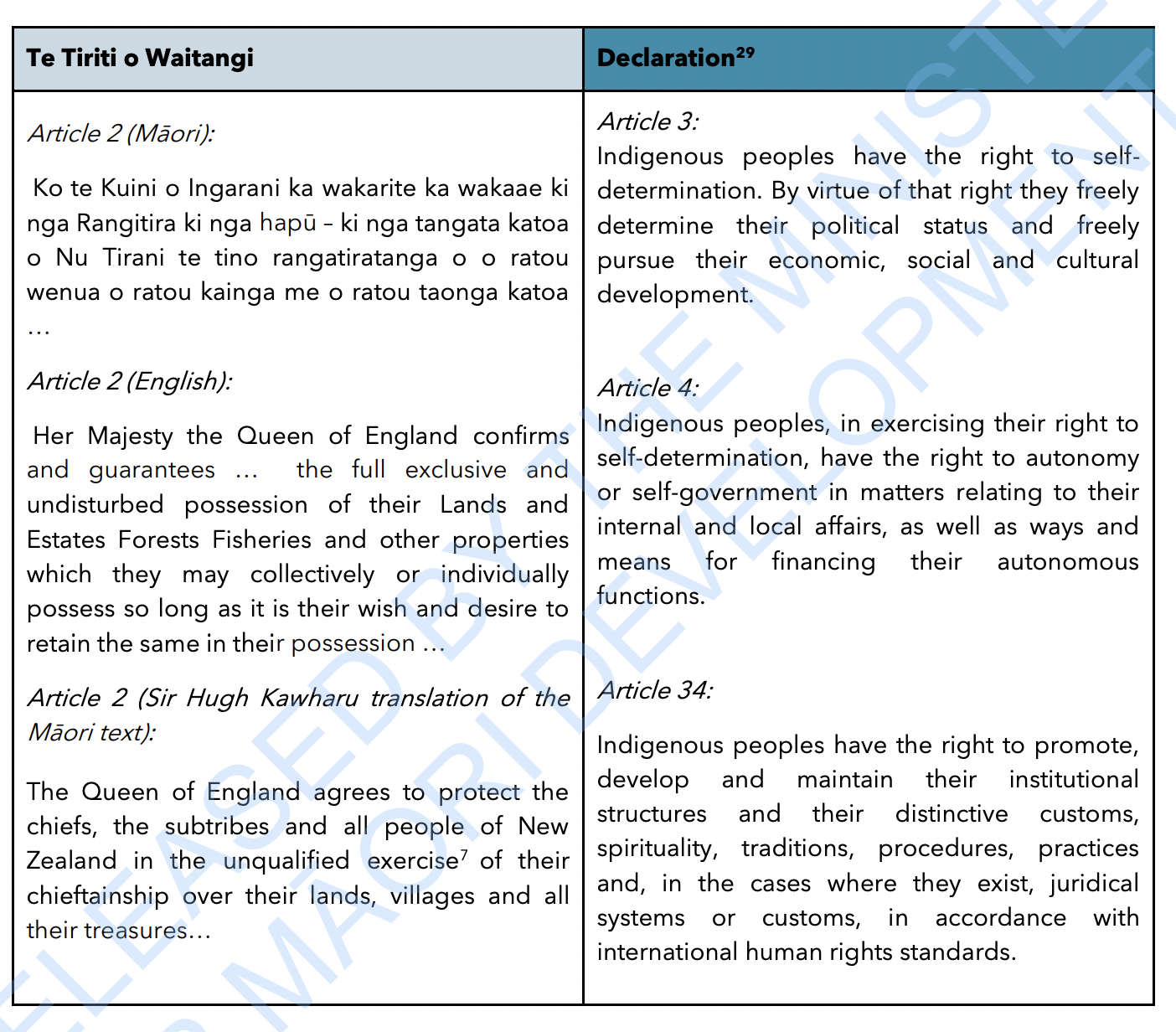
Here we will be researching into the conceptual relevance and contextual setting of who we are and where we are from by surveying our colonial history in A-NZ. This will be done by focussing on an aspect of pre-colonial society - tamaariki, and post-colonial society - Ōranga Tamariki [Formerly Child, Youth, and Family]. To understand colonisation, we first must understand what was colonised. Māori society in pre-colonial times had some distinct differences in how they worked, one of these differences is around how children were regarded, treated, raised, and educated into their adulthood. Additionally, the 'Royal Commission of Inquiry into Care' - has been a watershed moment for NZ society in our ongoing efforts to face up to the true impacts that colonisation has had and continues to have on our social world. By surveying the pre-colonial research and comparing that with our present-day findings from the commission of inquiry, we can develop a clear understanding of what colonisation has done, and what needs to be returned to the indigenous people of our land in terms of justice and honouring the commitments made in Te Tiriti o Waitangi.
In the second level of our inquiry we will look at how generations of Māori scholars, activists, students, kaumatua and so on.. have relentlessly fought to maintain the survival of Māori culture and language; and, the return of Māori lands that were wrongfully and illegally confiscated over the 19th and 20th centuries.
For this section, a whakataukī that can guide our pathway is:
E tū kahikatea; Hei whakapae ururoa; Awhi mai awhi atu; Tātou tātou e Tātou tātou e
Stand tall like the tree; To brave the storms;Embrace one another; We are one together
Kimihia te mea ngaro - seek what has been lost
Success Criteria:
to relate whakataukī #1 to our colonial history.
to relate whakataukī #2 to our modern history
to relate whakataukī #3 to our present-day
Inquiries:
- Pre-colonial childrearing and education
- The Royal Commission Inquiry of Care
- The fight for land, language and mokopuna