T2 W1-W6
Section outline
-
Enter text here...

EXPLORE / TŪHURA learning intentions:
- We are EXPLORING our context of Forces in motion by experimenting and observing the different concepts of physics involved in everyday life and applications
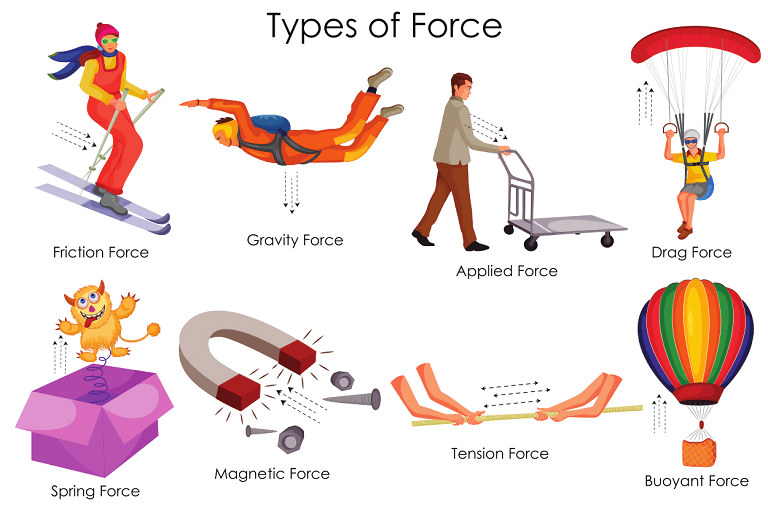
- We are EXPLORING our context of Forces in motion by classifying the different types of contact and non-contact forces there are and connecting these to objects in everyday life
- We are EXPLORING our context by organising the different types of forces and investigating through experiment how to calculate forces
Enter text here...
Kia ora Yr 9 ,
Key words:
Friction
Forces
Motion
Acceleration
Mechanics
Contact forces
Non-contact forces
Resistance
Newton’s Laws
Weight
Mass
Hooke’s Laws
Paearu Angitu / Success Criteria: I can/have...
- Define 'force'
- Name 5-6 forces that act on many everyday objects
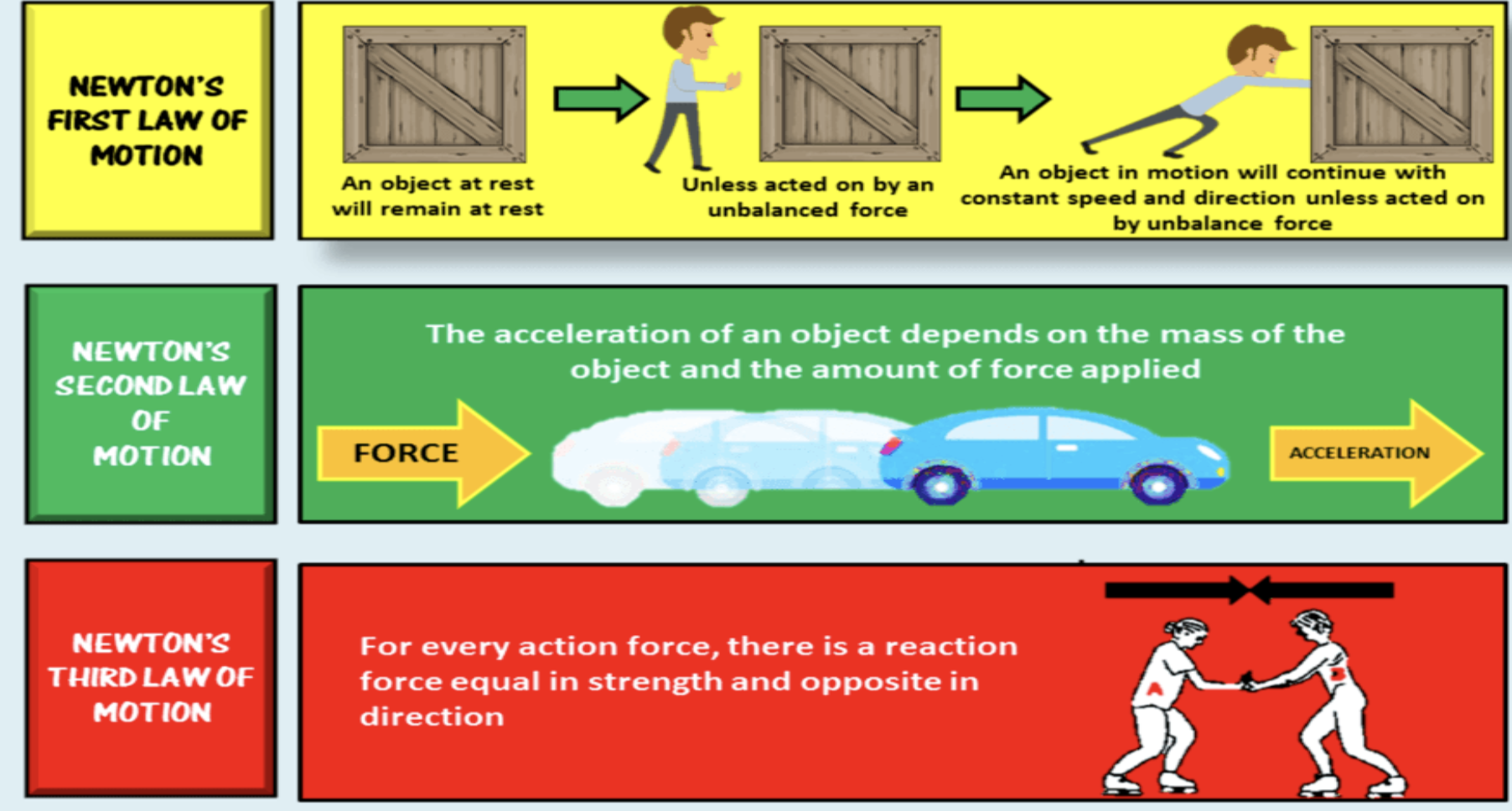
- I can describe the effect of balanced and un balanced forces on motion (Newton’s First Law)
- I can calculate force using F = ma (Newton’s Second Law)
I can rearrange F = ma to solve an unknown variable (Newton’s Second Law). - I can explain the difference between mass and weight.
- I can define friction, and describe its effect on motion.
- I can use the scientific method to write-up my experiment ( I can identify the aim, method, variables, results in an experiment )
Hei Mahi / Activities:
- Golf ball rebound experiment
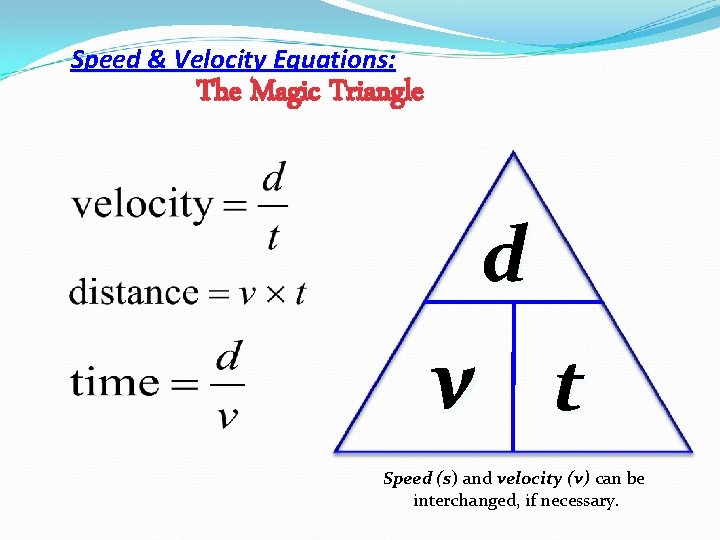
- Distance time graphs ( Running, walking, jogging exp over 4 different distances to calculate speed)
- Balloon rocket experiment ( Law 3)
Mahi Kāinga / Homework:
Graphing skills practice on GCEP Forces tasks assigned