
13 February - 19 February
Section outline
-

EXPLORE / TŪHURA learning intentions:
- We are EXPLORING our country and making connections between the history of the arrival of colonists to Aotearoa
- We are EXPLORING and sharing our understanding of the significance of Waitangi Day and why it is celebrated in NZ.
- We are EXPLORING our new school, MHJC and getting to know each other.

Chinese New Year (Lunar New Year) 2023: Jan. 22, Animal Sign Rabbit
What is the Chinese New Year 2023 Animal? — Rabbit
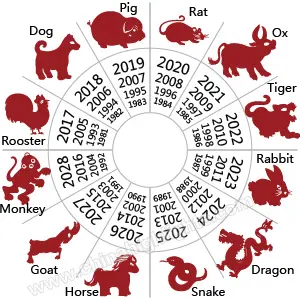 The Chinese zodiac gives each year an animal sign.
Chinese New Year 2023 is a Year of the Rabbit, more specifically, Water Rabbit, starting from January 22nd, 2023, and lasting until February 9th, 2024.
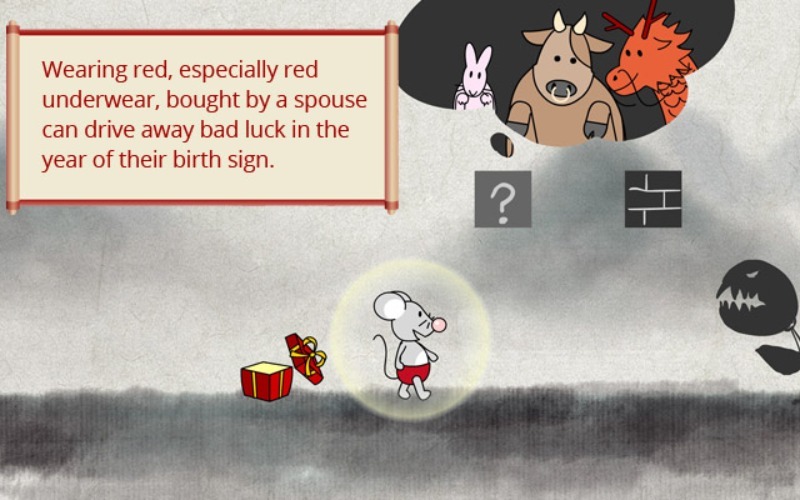
Recent/upcoming years of the Rabbit are 1951, 1963, 1975, 1987, 1999, 2011, 2023, and 2035. If you were born in one of the years, then you are a Rabbit. You will experience your zodiac birth sign year (benmingnian) in 2023, which is considered bad luck.
Benmingian
The 12 animals of the Chinese zodiac are Rat, Ox, Tiger, Rabbit, Dragon, Snake, Horse, Goat, Monkey, Rooster, Dog, and Pig.
Why Does Chinese New Year Date Change Every Year?
The date is decided by the Chinese Lunar Calendar, which is based on the cycles of the moon and sun and is generally 21–51 days behind the Gregorian (internationally-used) calendar.
The date of Chinese New Year changes every year, but it always falls between January 21st and February 20th. The day of Chinese New Year is a new moon day, usually the second after the winter solstice.
How Long is the Chinese New Year Holiday?
China's public holiday for Lunar New Year is 7 days, from Chinese New Year's Eve to the sixth day of the lunar calendar new year.
Offices, banks, factories, shops, and most non-essential services will close doors for a week's holiday. Hotels and large retail outlets stay open and may even be busier than usual! School holidays are four weeks long and migrant workers abandon their factory and construction jobs for weeks to return home.
Holidays in Hong Kong, Macao, and other Asian countries such as Malaysia, Singapore, Vietnam, and Korea are 1 to 3 days.
How Long is Chinese New Year 2023?
Celebrations of Chinese New Year traditionally last for 16 days, starting from Chinese New Year's Eve to the Lantern Festival. The most notable dates of the Lunar New Year 2023 are these three days:
- Chinese New Year's Day on January 22nd, 2023
- The Lantern Festival on February 5th, 2023
Each day of the 16-day long festival has a name, and usually an assigned purpose or meaning. Below is a table of all the important dates and their meanings.
Solar Date (2023) Lunar Date Title Purpose / Meaning Jan. 21st 12th month, 30th day
除夕 (Chúxì)New Year’s Eve
(除夕 Chúxì)The most important celebration, includes the family reunion dinner, and staying up until midnight. Jan. 22nd 1st month, 1st day
初一 (Chūyī)New Year's Day
初一 (Chūyī)A day for visiting/greeting family and relatives, giving presents, and visiting ancestors' graves. Jan. 23rd 1st month, 2nd day
初二 (Chū'èr)In-Law’s Day
(迎婿日 Yíngxùrì, or
开年 Kāinián)Married women visit their parents with their husbands and children. Jan. 24th 1st month, 3rd day
初三 (Chūsān)Day of the Rat
(鼠日 Shǔrì)An ominous day, common to stay at home and rest with family, play games. Jan. 25th 1st month, 4th day
初四 (Chūsì)Day of the Sheep
(羊日 Yángrì)An auspicious day, for prayer and giving offerings, or going to temples or fortune-tellers. Jan. 26th 1st month, 5th day
初五 (Chūwǔ)Break Five
(破五 Pòwǔ)Commonly accepted as the day when taboos (from previous days) can be broken. Jan. 27th 1st month, 6th day
初六 (Chūliù)Day of the Horse
(马日 Mǎrì)Believed to be the best day to get rid of old, unwanted things. Also an acceptable day to resume labor. Jan. 28th 1st month, 7th day
初七 (Chūqī)Day of Mankind
(人日 Rénrì)Believed to be the day people were created. Encouraged to spend out in nature. Jan. 29th 1st month, 8th day
初八 (Chūbā)Day of the Grain
(谷日节 Gǔrìjié)Good weather on this day will symbolize good crops for the year. Many families will have a second 'mini' reunion dinner. Jan. 30th 1st month, 9th day
初九 (Chūjiǔ)Providence Health
(天公生 Tiāngōngshēng)The 'Jade Emperor's birthday, giving offerings, lighting incense, and setting off firecrackers. Jan. 31st 1st month, 10th day
初十 (Chūshí)Stone Festival
(石头节 Shítoujié)The birthday of the 'god stone', similar to the previous day's rituals. Feb, 1st 1st month, 11th day
初十一 (Chūshíyī)Son-in-Law Day
(子婿日 Zǐxùrì)Fathers are expected to 'entertain' or treat their sons-in-law on this day. Feb. 2nd – 4th 1st month, 12th – 14th day
初十二 - 初十四 (Chūshí'èr - Chūshísì)Lantern Day Preparations Preparations for the lantern festival: cooking, making lanterns, etc. Feb. 5th 1st month, 15th day
初十五 (Chūshíwǔ)Lantern Festival
(元宵节 Yuánxiāojié)Marks the end of the festival. Lanterns are lit and hung or flown, people watch dragon dances in the streets, and children answer lantern riddles. Activities:
Watch a Chinese New Year celebration video on
.
List the rituals of celebrating Chinese New Year.On Doc on Google Classroom, give as many reasons why Chinese people celebrate Chinese New Year in New Zealand? Use different colour highlights to put all the ideas into categories and then summarise the main reasons.
Name the four symbols of Chinese New Year and give a definition for each in SEXY paragraph form.
S make a Statement
E Explain your statement
X Provide an eXample
Y whY is it importantHow can you tell a person’s cultural identity? Brainstorm different ways to identify a person’s culture.



How do we believe that Voyagers arrived in New Zealand?
Complete the following task in your book.

Look at the following information
The Fish of Māui video
Māui and the Giant Fish http://eng.mataurangamaori.tki.org.nz/Support-materials/Te-Reo-Maori/Maori-Myths-Legends-and-Contemporary-Stories/Maui-and-the-giant-fish
Māui Recites a Fishing Karakia https://teara.govt.nz/en/video/6799/maui-chants-a-fishing-karakia
The Legend of New Zealand https://www.newzealand.com/int/feature/the-legend-of-new-zealand/
Follow Up Tasks:
Activity on Google Classroom
Write a Pepeha in different languages.