Term 4 Week 8
Section outline
-

EXPLORE / TŪHURA learning intentions:
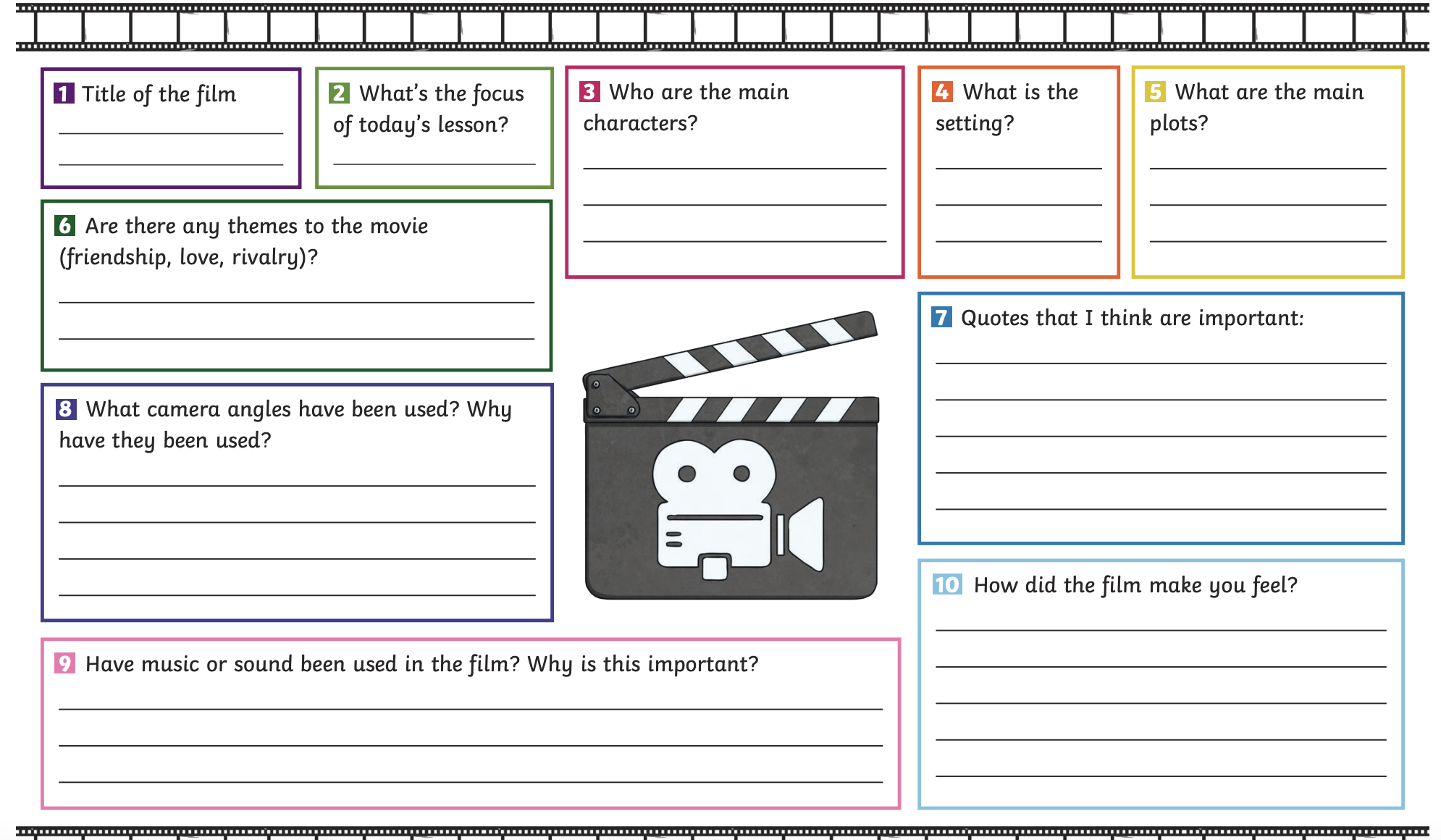
- We are EXPLORING the visual language features in a short film.
- We are OBSERVING the camera angles and visual techniques used.
- We are ANALYSING two short films and developing our abilities to compare and contrast these films.
MHJC GREAT Learner Learning to Learn / Ako: Digital Literacy

MHJC Great Learner Learning to Learn / Ako: Learning and Thinking Strategy

Success Criteria for Comparing and Contrasting Two Short Films
-
Identify key themes and messages: Clearly identify the central themes and messages conveyed in each film.
-
Analyze narrative structures and stylistic choices: Compare and contrast the narrative structures and stylistic choices employed in each film, explaining how they contribute to the overall impact.
-
Highlight similarities and differences: Identify and discuss the similarities and differences between the films, considering their plots, characters, and overall themes.
-
Support claims with evidence: Provide evidence from both films to support the claims made in the comparison and contrast.
-
Formulate a personal opinion: Express a personal opinion on the films, indicating which one resonates more strongly and why.
Learning Intentions for Comparing and Contrasting Two Short Films
-
Develop critical viewing skills: Analyze and evaluate short films based on their narrative structures, stylistic choices, and themes.
-
Enhance comparative writing skills: Effectively compare and contrast two short films, highlighting similarities and differences while supporting claims with evidence.
-
Foster a deeper understanding of film genres: Gain a broader understanding of the characteristics and conventions of different film genres, such as satire and psychological thrillers.
-
Appreciate the impact of cinematic techniques: Recognize and appreciate the impact of various cinematic techniques, such as cinematography, editing, and sound design, in shaping the overall viewing experience.
-
Develop personal preferences in filmmaking: Formulate personal preferences in filmmaking, identifying aspects that resonate with personal tastes and interests.
Exemplar Movie Review: Parasite and The Handmaiden
Introduction
Parasite (2019) and The Handmaiden (2016), both directed by Bong Joon-ho, are South Korean films that have garnered critical acclaim and international recognition. While both films are steeped in Korean culture and explore themes of class and social inequality, they differ in their narrative approaches and stylistic choices, offering audiences unique cinematic experiences.
Parasite: A Satirical Social Commentary
Parasite unveils the stark contrast between the wealthy Kim family, living in a luxurious modern home, and the impoverished Park family, occupying a cramped basement apartment. The Kims, driven by desperation and cunning, infiltrate the Parks' lives, securing employment and exploiting their naivety. Through its darkly comedic and suspenseful plot, Parasite exposes the deep-rooted societal divisions and the lengths to which individuals will go to achieve financial stability.
The Handmaiden: A Gothic Psychological Thriller
The Handmaiden delves into a world of intrigue and deception, set in Japanese-occupied Korea during the 1930s. Sook-hee, a young woman raised in a harsh orphanage, is hired as a handmaiden to Lady Hideko, a mysterious and reclusive noblewoman. However, Sook-hee is soon drawn into a plot orchestrated by a cunning conman, Count Fujiwara, who seeks to marry Lady Hideko for her wealth. The film's intricate plot, coupled with its gothic atmosphere and psychological elements, explores themes of desire, manipulation, and the blurred lines between reality and illusion.
Contrasting Narrative Approaches
Parasite and The Handmaiden employ distinct narrative techniques to convey their intended messages. Parasite utilizes a linear narrative, seamlessly intertwining the lives of the Kims and Parks, highlighting the parallels and contradictions between their worlds. In contrast, The Handmaiden adopts a nonlinear structure, employing multiple perspectives and flashbacks, unraveling the complex web of relationships and motivations.
Stylistic Choices and Cinematic Impact
Bong Joon-ho's masterful direction and the films' striking cinematography contribute significantly to their impact. Parasite's use of contrasting visual elements, such as the Kims' cramped basement apartment juxtaposed against the Parks' expansive mansion, effectively underscores the stark social divide. The Handmaiden's meticulously crafted settings, infused with a sense of isolation and foreboding, enhance the film's psychological tension.
Conclusion: Two Masterful Cinematic Works
Parasite and The Handmaiden, though distinct in their narrative approaches and stylistic choices, stand as powerful examples of Bong Joon-ho's cinematic brilliance. Both films offer thought-provoking explorations of societal issues, captivating audiences with their intricate plots, memorable characters, and masterful filmmaking techniques