
Term One Week Two
Section outline
-
E kore tātau e mōhio ke ti waitohu nui o te wai kia mimiti rawa te puna
We never know the worth of water until the well runs dry
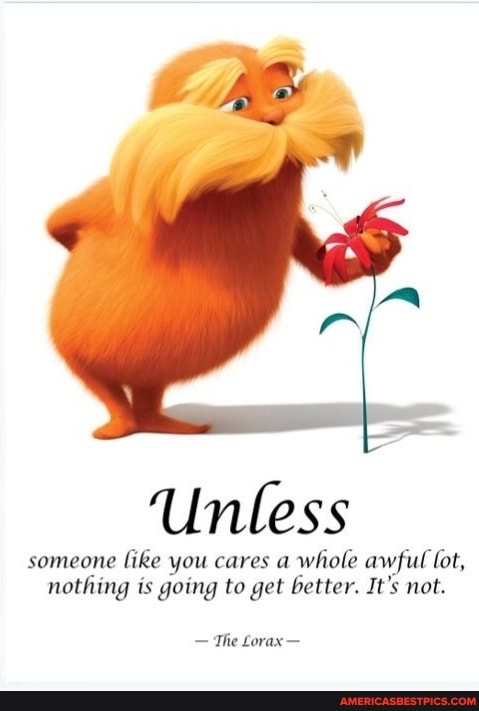
Kia ora. I hope you have all had a safe and relaxing weekend are are energised and ready for the term ahead. As we commemorate the signing of Te Tiriti o Waitangi, it is important to stop and reflect on our obligations and responsibilities under Te Tiriti. Article two of the Māori text establishes that Māori will retain full chieftainship over their lands, villages and all their treasures. Kaitiakitanga means guardianship and protection. It is a way of managing the environment, based on the Māori world view. A kaitiaki is a guardian. This can be a person or group that cares for an area such as a lake or forest. We alll have a responsibility to care for our environment. As we explore film techniques in English, I would also like you to reflect on the messages and themes in the films we study. How do these relate to Kaitiakitanga? What actions do you need to take as a kaitaki?
Success Criteria:
I can:
- identify a range of film techniques (camera angles and frames)
- describe the elements of each technique
- discuss why the technique is used
Activities:
- Do now - Title page "Film Study"
- Discussion in small groups (initial knowledge of film techniques on group document (hard copy))
- View short videos on film techniques as a class (links below for later independent review)
- Introduction to film technique slideshow (google classroom)
Further Learning:
- Be aware of the visual language around you - what techniques do you notice? Be ready to share your observations with others.
- Read a book

EXPLORE / TŪHURA learning intentions:
- We are EXPLORING by analyzing techniques wued in a visual text (film) and identifying why these techniques are used
- We are EXPLORING how we can interpret emotion and affect through deliberate use of techniques and analyse the effect of these on an audience