
Term 1: Weeks 2-4
Section outline
-

EXPLORE / TŪHURA learning intentions:
- We are EXPLORING...tikanga Māori associated with mihimihi
- We are EXPLORING...sentence patterns to recognise how to correctly introduce yourself and others
- We are EXPLORING...
Mihimihi
Learning Outcomes:
Students will be able to:
- describe tikanga (customs) associated with mihi
- mihi to your classmates
- perform a waiata tautoko
- recite a new karakia
Whakatauki
“He aha te mea nui o te ao? He tangata, he tangata, he tangata!”
What is the most important thing in the world? It is people, it is people, it is people!
Manaakitanga or caring for people is of the utmost importance in te ao Māori. Whakawhanaungatanga is about building relationships, acknowledging people for who they are and trying to make connections.
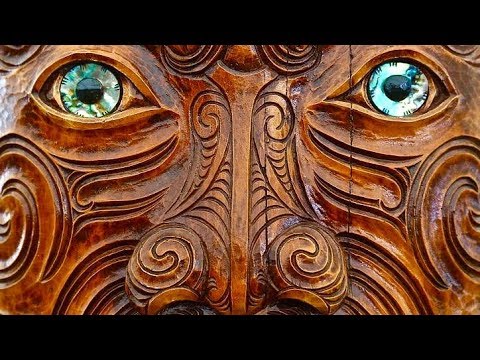
Tikanga Māori - Inoi / Karakia/ Mihimihi/ Waiata tautoko
In Te Ao Māori karakia are ritual chants invoking spiritual guidance and protection. They are performed in every aspect of life. For example: welcoming the dawn and farewelling the day, to ensure a safe journey, blessing food, carving a wharenui etc. With the introduction of Christianity to New Zealand in the 19th Century, new karakia were written to acknowledge the Christian God and Jesus Christ.
Similarly in most gatherings (hui) it is customary for a person to welcome everyone that is attending by performing a mihi whakatau. Following the mihi a waiata is sung in support of the person who welcomed everyone. In class this year all students will learn waiata and how to give a mihi whakatau.
KUPU:
mihi acknowledgement tikanga custom
pepeha tribal saying maunga mountain
awa river iwi tribe
kōrua you (2) hoa mahi work mates
koutou you (2+) pouako teacher
rangatira leader tumuaki principal
Atua God Kīngi Māori Māori King
Kāhui Āriki royal family tauparapara incantation, chant
hunga mate the deceased hunga ora the living
whāea polite term for older woman
matua polite term for older man
Activities
This week you will learn how to give a mihi whakatau to formally welcome people at a hui. You will develop your own mihi. We will also learn a waiata tautoko to be used following your mihi as well as a new karakia.
1. Use the mihimihi template on our google classroom page to develop your own mihi whakatau
2. Revise your pepeha and add this at the end of your mihi to introduce yourself following your mihi whakatau.
3. Use the waiata slideshow to learn the words to the waiata tautoko "Ehara i te mea."