
Term 1 Weeks 2 & 3 (7-20 Feb)
Section outline
-
Team Building
Learning Intentions
- Start to 'Form' our class as a team
- Build relationships (learn names, backgrounds, etc)
- Discover our business 'prior knowledge'
Success Criteria
- We've learned names of all students in class
- We've worked together to complete a task
- We found things that we have in common
- We know the meaning of common business terms
Lesson 1: Activity:
In small groups, choose a 'name game' (links to ideas are below).
Lead the whole class in the game to help us learn names.
One idea is the 'Time bomb' game:All form a circle and each say their name.
Links to other game ideas:
One throws a ball to someone, who has 2 seconds to say another’s name and throw the ball to them, before it “explodes” and they are out of the game.
Continue until only one student remains.- 5 Name games: https://christiancamppro.com/whats-in-a-name-5-name-games-to-introduce-yourself/
- Things in common chain: https://www.playmeo.com/outcome/learn-names/
Lesson 2: Activity
- In small groups of students from at least 3 Whanaus, complete this crossword.
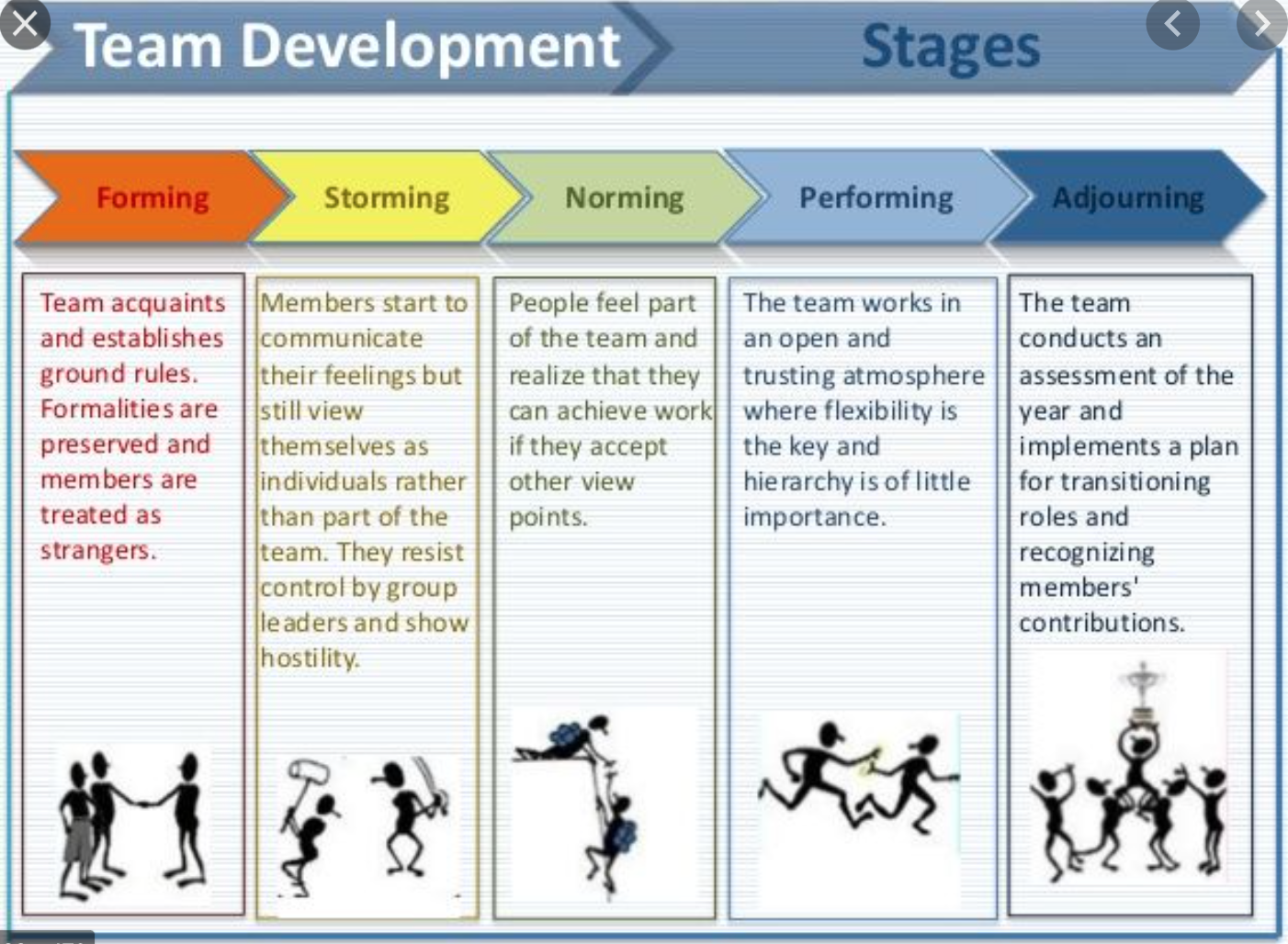
- Think about what stage our class team is at - here's a short video clip from a resource on Stages of Team Formation
.
- Contribute to this shared Google Doc in Google Classroom called 'Building a Team'.
- The doc asks you to add a photo of something that represents who you are as a person.
- It asks you to give information about yourself (a strength or skill, etc.
Lesson 3: Generating Questions
Students who have left MHJC, say that it's important to know how to ask questions in order to get the help they need and to guide their research.
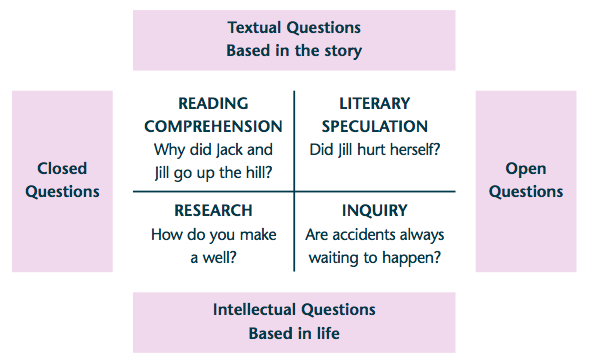
We're learning to use the 'Question Quadrant' to generate different types of question from news articles.
Look at the picture of Pooh & Piglet. Generate questions and write them on post-it notes.
Here's an example of the Question Quadrant:
And an example using a picture of Winnie the Pooh and Piglet!
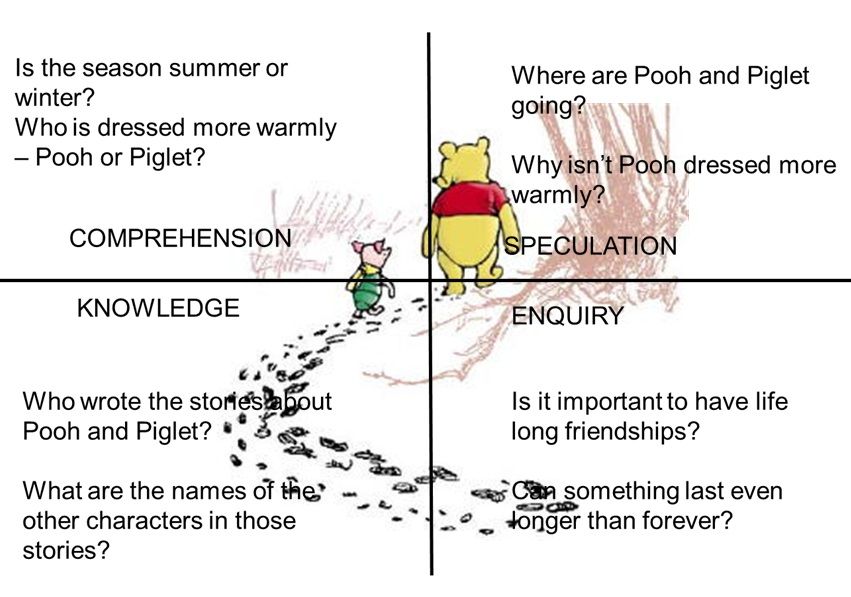
Comprehension questions have their answer in the story, photo, video
Research questions have their answer in wider research eg on the internet
Speculation questions can be answered by using our imagination about what might be (related to the text, photo, video).
Inquiry (philosophical) questions can be answered through ethics, logic, metaphysics, epistemology, aesthetics.
Ethics - should people be allowed to buy and sell anything?
Logic - If people act in their own interest, will they ever donate to charity?
Metaphysics - how do people know what something is worth?
Epistomology - how do you know something?What do you want to learn on this 10BUS3 course?
Generate questions about business and social enterprise to identify what you would like to learn in this 10BUS3 course.
Here's a link to some news items, which we'll use to generate questions based on the Question Quadrant
How Apple & Nike have branded your brain
Fast response to a market opportunity - anti-fog nose strip!
TradeMe - weird money making items!
Young NZ entrepreneurs - could it be you?
Questions to answer this year in 10BUS: - Start to 'Form' our class as a team