
Term 2 Week 10
Section outline
-
Place
Place refers to the distribution methods and location businesses use for their products or services to be easily accessible to the target customers. It is how the product is bought and where it is bought.
Business location is a unique factor that can give a business strong competitive advantage.
- Factors to consider:
- Costs of lease/owning store
- Customer Traffic − Number of customers visiting the location etc
- Convenience − Proximity to residential areas, proximity to public transport facility.
Task 1: What affects place decisions?
- Read each of the factors from the link below
- Identify and describe which factors apply to your chosen product. Type of product? Technicality? Purchase frequency? Price? Durability? Location of customers? Where do competitors sell their products?
https://igcseaid.com/notes/business-studies-0450/3-3-marketing-mix/
Distribution Channels
A business may decide to sell their products directly to its customers or may use resellers like wholesalers and retailers to sell their products. The factors that you looked at in Task 1 above will be considered in making thiese decisions.
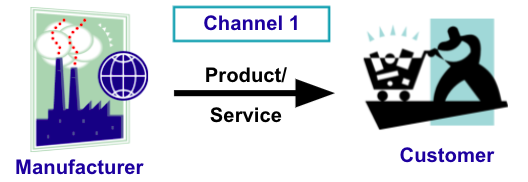
Direct Selling
The product is sold to the consumer straight from the manufacturer. Distribution methods may include, but are not limited to, door-to-door, retail, online sales, mail order.
Using Resellers
Manufacturers can choose to sell products directly through wholesalers or retailers or vendors as a distribution strategy. There are a number of distribution channels available:
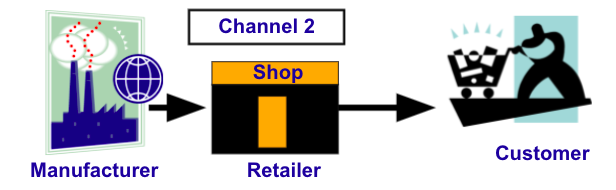
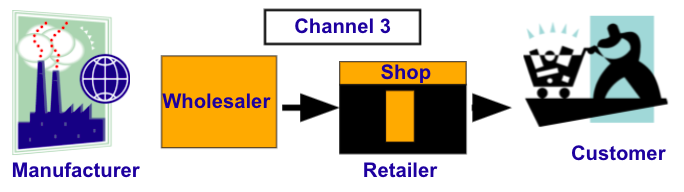
Sometime when a manufacturer sells in overseas markets they may also use an agent who has expertise in the overseas market to distribute their products. This is sometimes referred to as a channel 4 distribution channel
CHANNEL 4
MANUFACTURER ------AGENT------WHOLESALER--------RETAILER------CONSUMER
Task 2: Distribution Channels
- Identify which channel of distribution the manufacturer of your business uses?
- Identify which channel of distribution competitors use?
- Go to the link below and look at the table of the advantages and disadvantages for each channel of distribution. Using the channel of distribution you identified in Q1. List the advantages and disadvantages for the business of your chosen product.
OTHER DISTRIBUTION STRATEGIES
Selective Distribution Strategy
This strategy is where a business may choose to distribute products only to a few select businesses or customers in a specific geographical area. It is often used for selling upscale products and is sold by resellers who deal only with high-quality products.
Benefits
The business is able to ensure that the selected outlets meet the image of the brand to ensure customers have a good experience. Improved customer satisfaction will lead to repeat purchases and customer loyalty.
Exclusive Distribution Strategy
This strategy restricts product distribution to only one reseller in a geographical area. The reseller will have exclusive rights to sell the product or service. Often used with specialty products that you can promote as prestigious because you are the sole supplier and the intermediary is the sole reseller.
Exclusive distribution is an agreement between a distributor and a manufacturer that the manufacturer will not sell the product to anyone else and will sell it only to the exclusive distributor. At the same time, even the exclusive distributor has to enter the agreement that he will only sell the products of the manufacturers exclusively and will not sell those of the competition. This ways, the market is an open ground for the manufacturer and the distributor and they have complete control on the distribution of the product.