
2 March - 8 March
Section outline
-

EXPLORE / TŪHURA learning intentions:
-
- We are EXPLORING the conventions of creative writing
- We are analysing language features and investigating literary techniques
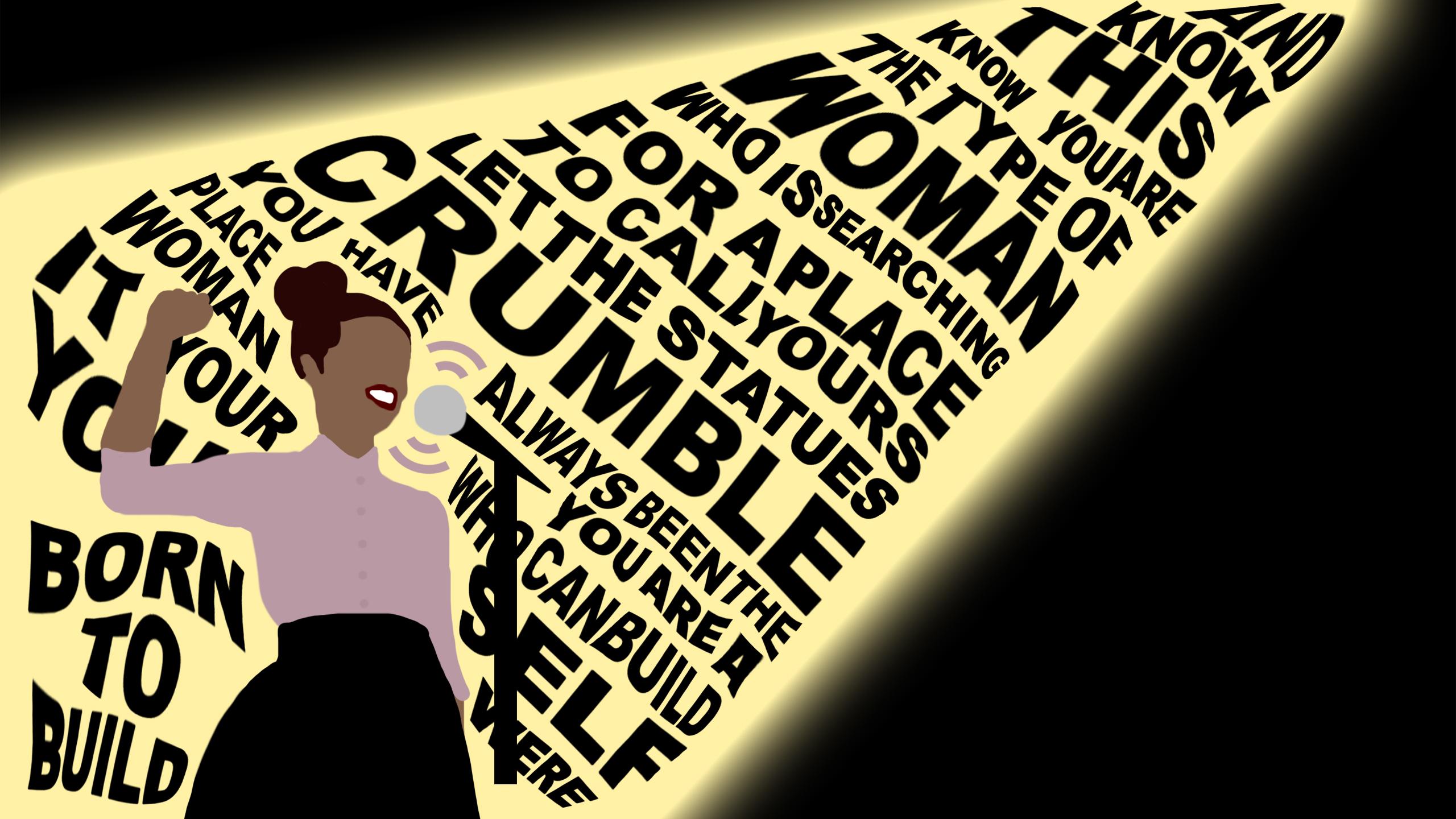
Plan: Poetry Analysis & Spoken Word
Our context for this term is "Face-Off Challenge!" This, to me, means fostering positive relationships at school and tackling social issues whilst overcoming challenges. In addition, we will be looking at conflict resolution and standing together in the face of adversity.
Success Criteria for Term 1: We are learning to...
1) Recognize areas of personal development with formal writing and answer the question: "What do I need to do/change to improve my writing?"
- Recall what PEEL paragraphs are and how to write them
- Recall the Introduction Triangle and using it to start an essay
- Recall and use the Essay Checklist format
2) Analyse at least 3-4 different forms of poetry and to determine what made the poem successful/meaningful
- Recall, name and identify language features in poetry
- List the language features in SHAMPOO
- Comment on the meaning and personal interpretation of a poem
3) Understand the meaning of the author's or poet's purpose
- Use understanding of SHAMPOO and forms of poetry to determine poet's purpose
- Analyse and discuss the importance of cultural poetry
4) Create our own pieces of poetry using the knowledge we have gained through poetry analysis
5) Name the conventions and recognize the language features and techniques used in creative writing - using these to create our own short stories
6) Draft short story plans and edit our own writing
Activities:
Monday (S1) - Freestyle poetry prompt (Cinquain), introduction to SMILE method of poetry analysis + Maya Angelou's "Caged Bird"
Tuesday (S2) - Poetry Analysis: Song Lyrics activity and group task
Thursday (S1) - Poetry Analysis using TEEP Charts and PEEL paragraphs "Fire and Ice" by Robert Frost (1920s)
Reminders/Homework:
Please Complete Reading Plus homework.
-
